September 18, 2026
Forklifts play an important role in warehouses, distribution centers, manufacturing facilities, loading areas, and other workplaces where materials need to be moved efficiently. When a business needs additional equipment, purchasing a brand-new machine is not always the only option. An electric used forklift can provide a practical alternative for companies that want dependable material-handling equipment while managing acquisition costs. Electric models also offer characteristics that can make them well suited for indoor operations, including quieter performance and the absence of engine exhaust during use. Before choosing a machine, businesses should consider operating conditions, lifting requirements, battery condition, maintenance history, and available charging space. Evaluating these factors can help determine whether a pre-owned electric model is a good fit for daily operations.
Reducing the Initial Equipment Investment
One of the most common reasons businesses consider pre-owned equipment is the potential to spend less upfront than they would on a comparable new machine. Forklifts can represent a significant investment, especially when a company needs several units or is expanding its material-handling capabilities. Choosing a used forklift may allow a business to obtain the lifting capacity and features it needs without allocating as much capital to a new purchase. This can be helpful for growing companies, seasonal operations, or facilities that need an additional machine to supplement an existing fleet.
Lower acquisition costs can also give businesses more flexibility when planning other operational expenses. Money that is not tied up in a new forklift purchase may be available for racking, training, facility improvements, maintenance, or additional equipment. However, purchase price should not be the only consideration. Buyers should also review the condition, age, service history, battery, and expected maintenance needs of the machine. Looking at total ownership costs rather than the price alone can help determine whether a particular electric model provides the value the business expects.
Supporting Indoor Material Handling
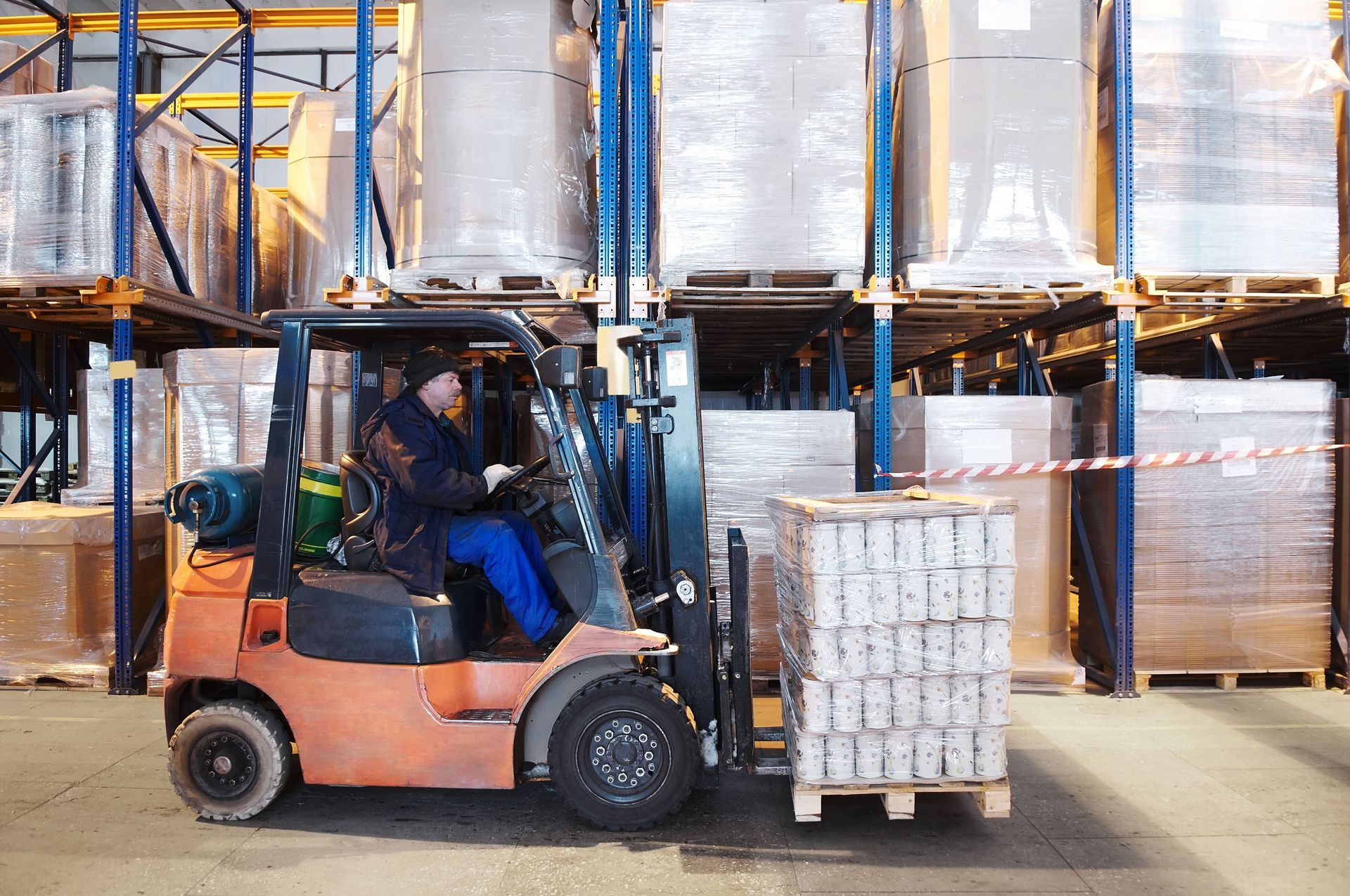
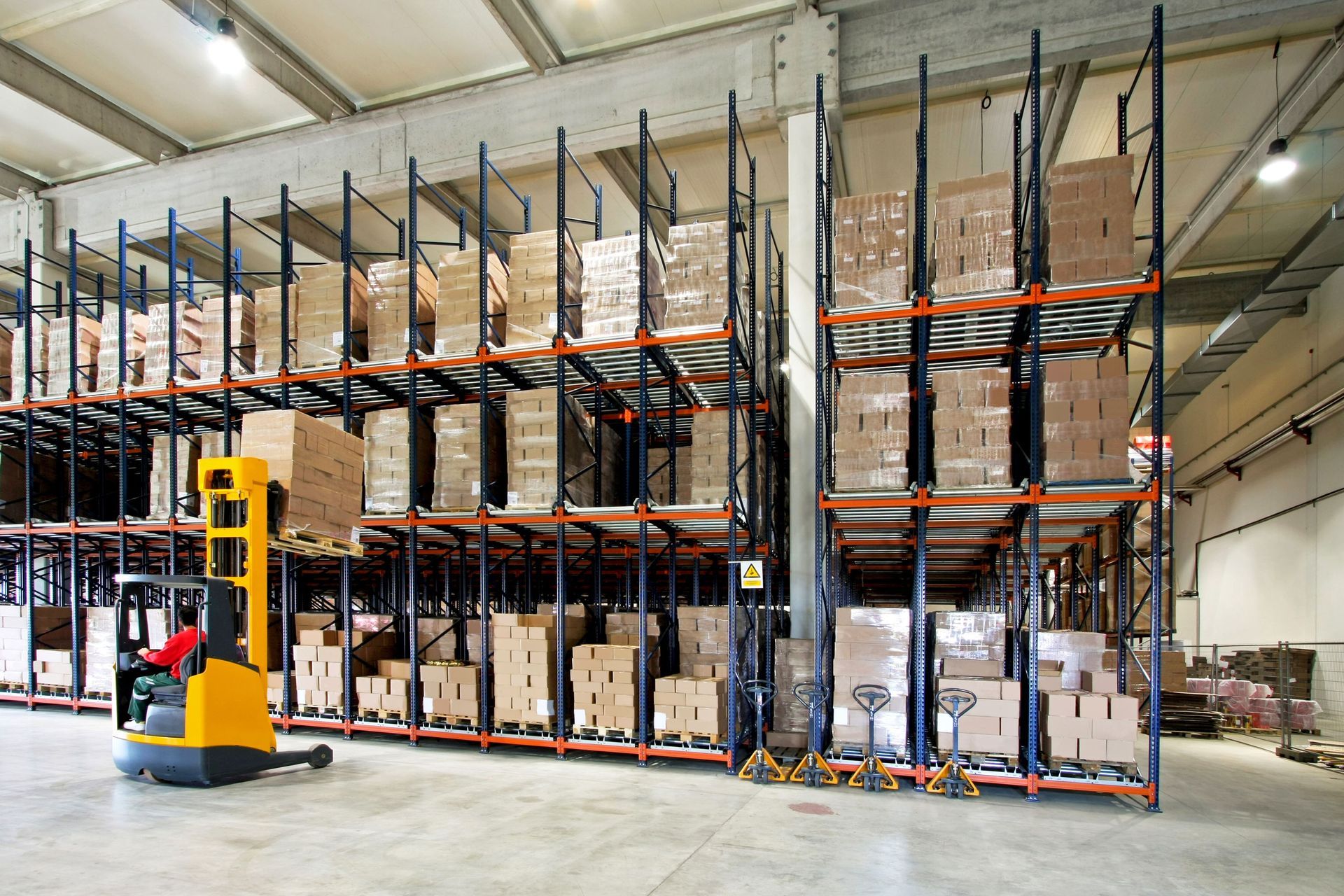
Electric forklifts are commonly used in indoor environments because they operate without producing exhaust emissions from an internal combustion engine. This can make them suitable for warehouses, storage areas, production facilities, and other enclosed spaces where ventilation and indoor air conditions are important considerations. Electric models are also generally quieter during operation, which can be useful in busy workplaces where several machines, employees, conveyors, and other equipment are operating at the same time.
A used forklift powered by electricity may be especially practical for facilities that primarily move pallets and materials indoors. Businesses should still consider aisle widths, floor conditions, turning space, load weights, and lift heights before choosing a model. Different forklifts are designed for different applications, so the fact that a unit is electric does not automatically mean it is appropriate for every indoor setting. Matching the machine to the work environment can help operators move materials more efficiently while reducing unnecessary strain on the equipment.
Lowering Routine Fuel Requirements
Electric forklifts rely on rechargeable batteries rather than gasoline, diesel, or propane for normal operation. For facilities already equipped with charging areas, this can simplify daily fueling routines because employees do not need to replace propane cylinders or manage liquid fuel. Charging can often be incorporated into breaks, overnight downtime, or other periods when equipment is not in use. The most suitable charging schedule depends on the battery type, workload, and number of shifts the forklift is expected to support.
According to market.us, electric models account for 66% of the overall forklift market, representing the largest share of the industry. Their widespread use means many businesses are already familiar with electric material-handling equipment and its charging requirements. Buyers considering a used forklift should ask about battery age, condition, charging history, and expected runtime before making a purchase. Since the battery is an important component of an electric unit, understanding its remaining useful life can help buyers anticipate future replacement costs and determine whether the machine can meet daily operating demands.
Improving Workplace Noise Conditions
Noise is an important consideration in many warehouses and industrial environments. Forklifts frequently operate near employees who are picking orders, managing inventory, loading shipments, or performing other tasks. Electric models generally operate more quietly than machines powered by internal combustion engines. Reducing equipment noise can make verbal communication easier in some environments and may contribute to a more comfortable workplace, particularly where several forklifts operate throughout the day.
An electric used forklift can also be useful in settings where equipment operates near offices, retail spaces, customers, or other areas where excessive engine noise would be distracting. Businesses should still consider warning devices, backup alarms, and other required safety features, as forklifts must remain noticeable to pedestrians in shared work areas. The quieter operation of electric equipment does not eliminate the need for safe traffic patterns, operator training, visibility, and communication. Instead, it can provide an additional practical benefit when the machine is properly matched to the facility.
Matching Equipment to Changing Business Needs
Businesses do not always need the newest equipment to meet their material-handling requirements. A company may need an extra forklift during a period of growth, to replace a machine that is temporarily unavailable, or to support a new warehouse area. Purchasing used equipment can provide additional capacity without requiring the same commitment associated with buying a brand-new model. This flexibility can be useful when management is still evaluating how long a particular workload or operational change will continue.
Before purchasing a used forklift, businesses should define exactly what the machine needs to accomplish. Important considerations include maximum load weight, lift height, attachment requirements, aisle dimensions, surface conditions, operating hours, and charging access. A machine that works well in one warehouse may not perform effectively in another. Taking time to compare specifications against real operating needs can help prevent businesses from purchasing equipment that is either undersized or more powerful than necessary for the intended tasks.
Evaluating Condition Before Making a Purchase
The condition of pre-owned equipment can vary considerably, so a detailed inspection is an important part of the buying process. Buyers should examine the forks, mast, chains, tires, controls, hydraulic components, body, and safety equipment for signs of wear or damage. They should also test steering, braking, lifting, lowering, and other basic functions whenever possible. Hour meter readings can provide additional context, although operating hours should be considered alongside maintenance history and the conditions in which the machine was previously used.
For an electric used forklift, the battery and charging system deserve particular attention. Buyers should ask whether the battery is included, how old it is, what type it is, and whether service records are available. It is also useful to confirm that the charger is compatible with the facility's electrical setup. A careful evaluation can help businesses identify potential future expenses and compare several machines more accurately. Purchasing from a supplier that can explain equipment history, specifications, and available support may also make the decision-making process easier.
An electric forklift can be a practical choice for businesses that want to expand their material-handling capabilities without automatically purchasing new equipment. Lower initial costs, suitability for indoor environments, quieter operation, rechargeable power, and different maintenance requirements can all make electric pre-owned models worth considering. The right choice depends on the facility, workload, battery condition, service history, and specific lifting requirements. Taking time to inspect the equipment and compare specifications can help a business determine whether a used forklift will provide the performance and flexibility it needs. If you are considering an electric forklift for your warehouse, facility, or material-handling operation and want to explore available equipment, contact Forklift Rental Chicago - Somerset Equipment Sales.