July 27, 2026
Manufacturing facilities operate within dynamic environments where material handling demands fluctuate constantly. Maintaining productivity requires flexible equipment management strategies that adapt to production schedules, seasonal surges, and unexpected operational pivots. Facilities management teams frequently evaluate how best to keep goods moving through production lines, storage areas, and shipping docks without experiencing unnecessary downtime. When existing machinery undergoes maintenance or production volumes increase rapidly, securing additional lifting equipment becomes a top operational priority for plant managers across industrial sectors.
Navigating the equipment acquisition process requires understanding facility layout, load capacity requirements, power options, and safety standards. Securing reliable forklift rentals offers manufacturing plants the agility needed to respond immediately to shifts in supply chain activity while maintaining smooth daily workflow. By integrating temporary equipment solutions into broader facility planning, companies can scale operations based on real-time production requirements. Understanding key operational factors before selecting equipment ensures that plant operations remain efficient, safe, and fully aligned with organizational objectives.
Evaluating Operational Requirements and Load Capacity Needs
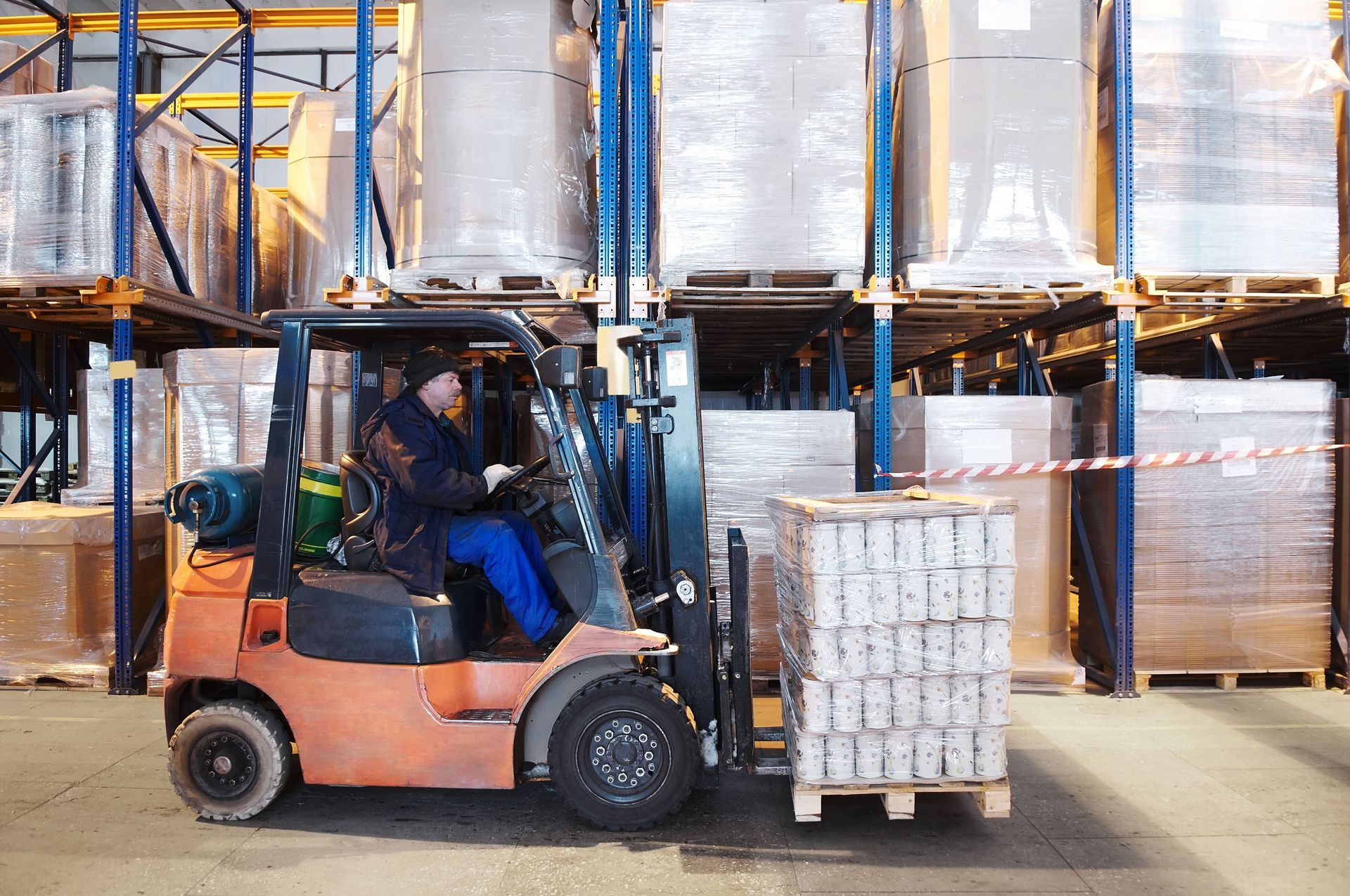
Selecting the right machinery for a manufacturing plant begins with assessing load capacity requirements. Every manufacturing facility handles distinct types of raw materials, work-in-progress inventory, and finished products. Operating equipment beyond its specified capacity creates severe safety risks and can lead to mechanical strain or structural failure. Consequently, plant managers must evaluate maximum weights of typical loads, as well as peak load dimensions, before specifying equipment requirements.
In addition to weight capacity, lift height is a critical factor when choosing temporary industrial machinery. High-bay warehousing and multi-tier storage racks demand equipment capable of extending loads safely to elevated positions without compromising stability. Attachments such as side-shifters or specialized forks must also be accounted for, as specialized attachments can alter the center of gravity and overall capacity rating. Utilizing high-capacity forklift rentals allows manufacturing operations to select models equipped with exact mast heights and attachments necessary for specific warehouse layouts and heavy production tasks.
Furthermore, evaluating duty cycles helps determine the endurance needed from material handling units throughout a standard operational shift. Continuous multi-shift manufacturing environments require machinery capable of long hours of heavy operation without performance degradation. Plant operators must consider how constantly equipment will run and whether rapid battery swapping or continuous refueling infrastructure is supported on site.
Understanding Facility Layouts and Space Constraints
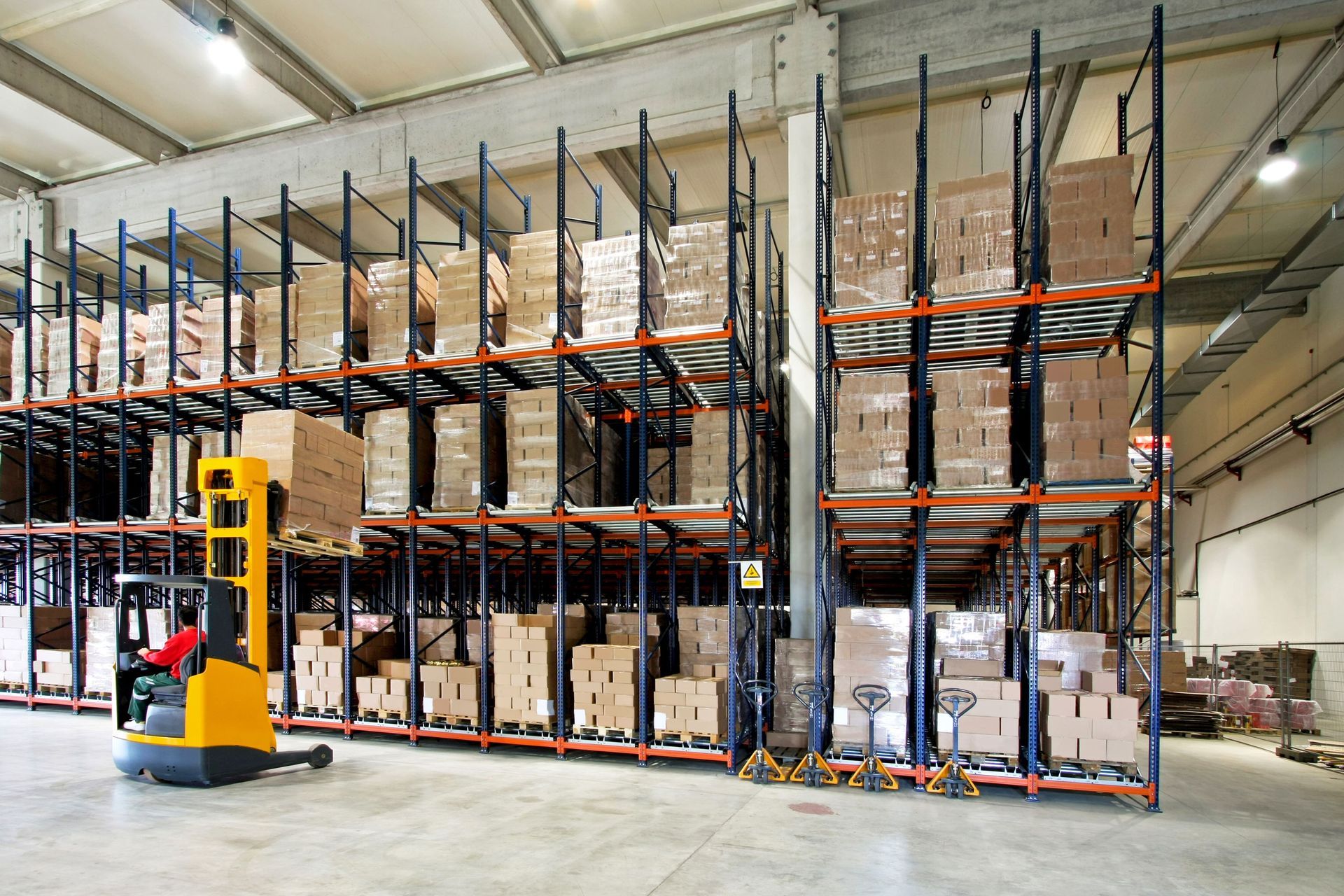
Facility architecture significantly influences the type of lifting machinery appropriate for indoor operations. Aisle width, doorway clearances, overhead obstruction heights, and floor loading capacities dictate which equipment models can maneuver safely within the building footprint. Standard warehouse layouts with wide aisles accommodate traditional sit-down models easily, whereas high-density storage facilities require narrow aisle or reach truck configurations. Analyzing physical space parameters prior to equipment deployment prevents spatial bottlenecks and minimizes accidental impacts with building infrastructure.
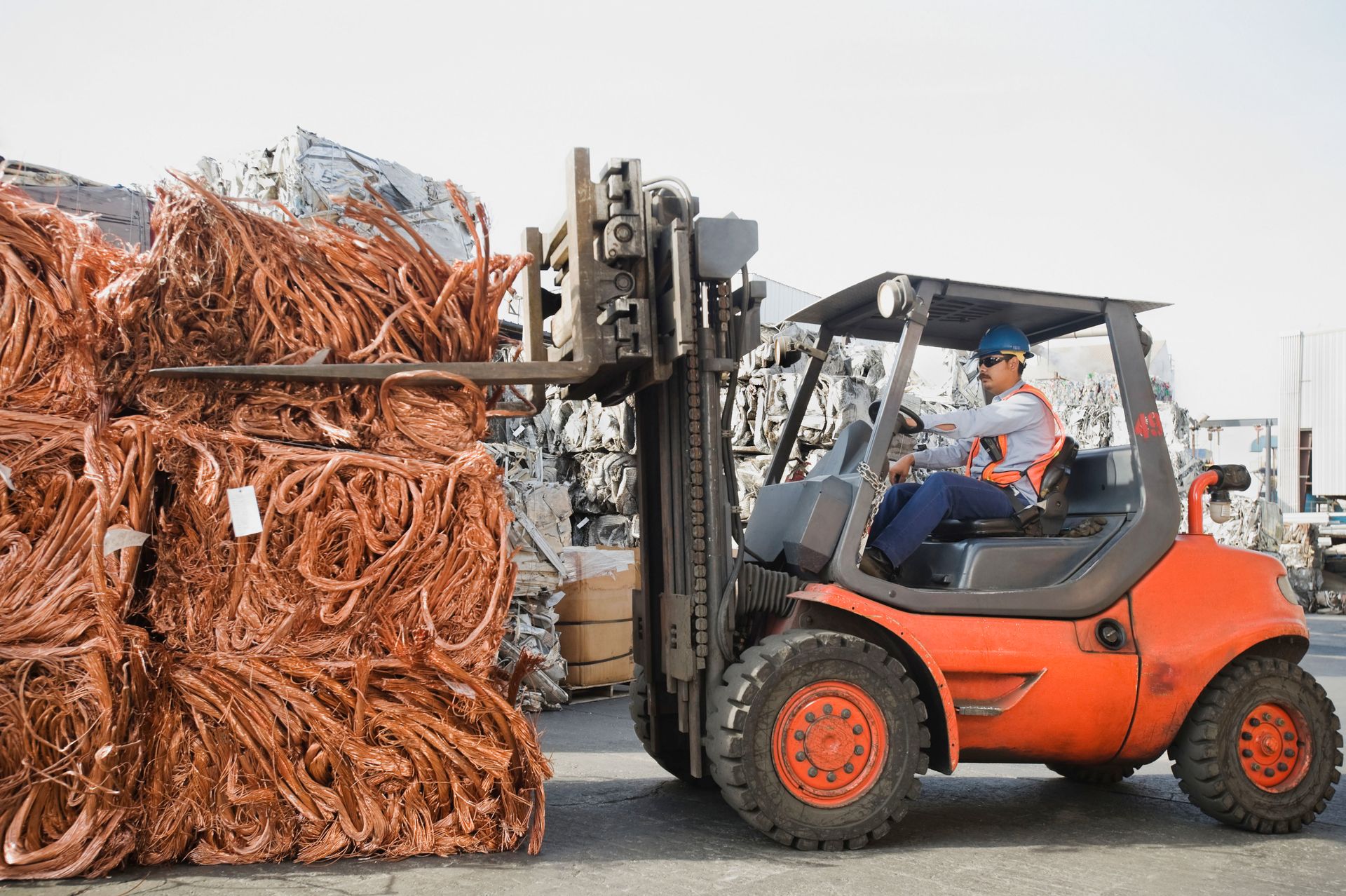
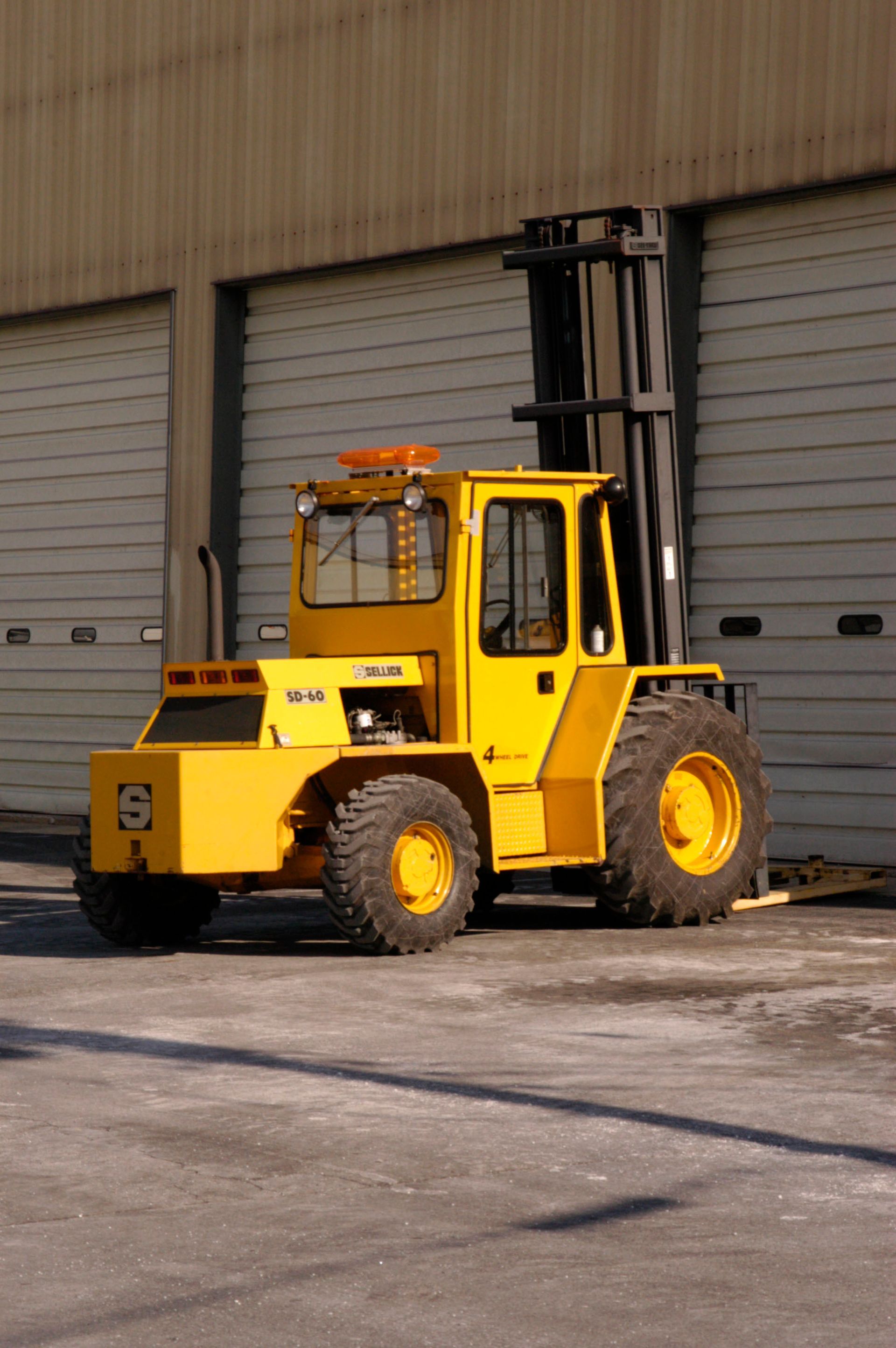
Floor surface conditions also play a pivotal role in selecting appropriate wheel types and chassis designs. Smooth concrete floors typical of indoor assembly plants require solid cushion tires that deliver stability and precise steering control in tight spaces. Conversely, facilities with outdoor storage yards, uneven asphalt, or gravel surfaces demand pneumatic tire models engineered to absorb shock and maintain traction over rough terrain. Ensuring that tire types match surface conditions protects both machinery and facility flooring from premature wear and damage.
When selecting temporary machinery for specialized environments, aisle navigation becomes a critical safety consideration. Exploring versatile forklift rentals enables plant directors to source narrow aisle models tailored precisely to restricted spatial footprints. These specialized units allow operators to execute sharp turns and retrieve pallets from elevated racks without encroaching upon nearby storage structures or active assembly lines. Careful evaluation of indoor physical space guarantees safe and seamless movement across all plant zones.
Selecting Proper Power Sources for Indoor and Outdoor Use
Determining the optimal power source is a fundamental step when choosing machinery for manufacturing applications. Industrial lifting equipment is generally powered by electric batteries, liquid propane, or diesel fuel, each offering distinct advantages depending on operating environments. Indoor assembly lines and processing facilities usually mandate electric models because they produce zero direct emissions and operate with minimal noise levels. Electric units maintain clean air quality inside enclosed structures, supporting worker health and regulatory compliance.
For operations requiring continuous outdoor usage or heavy duty lifting, internal combustion models offer robust performance. Liquid propane units provide excellent versatility, as they can operate both outdoors and in well-ventilated indoor areas with rapid tank swaps keeping downtime to a minimum. Diesel-powered equipment delivers high torque and lifting power, making it ideal for outdoor lumber yards, heavy steel manufacturing, and external dock areas. Matching fuel sources to environmental ventilation standards and operational duty cycles ensures uninterrupted plant output.
Leveraging tailored forklift rentals gives plant managers the flexibility to test different power options under actual production conditions. Facilities can utilize electric models for indoor expansion projects while retaining internal combustion units for outdoor loading docks. This strategic flexibility allows organizations to adjust fleet composition according to seasonal weather, environmental requirements, or changing operational priorities without long-term commitments.
Maintaining Strict Workplace Safety and Clearance Standards
Safety remains the paramount concern across all manufacturing environments, and operating lifting equipment requires strict adherence to safety protocol. Operator certification and proper training are essential to prevent accidents, machinery damage, and inventory loss. Plant supervisors must verify that all operators are trained on specific controls and handling characteristics of equipment before assigning them to active shifts. Maintaining detailed safety checklists and conducting pre-operation inspections guarantees that safety mechanisms function properly before work commences.
Clearance management within narrow storage aisles represents another essential safety metric for plant managers. According to Fork Lift Certification, maintaining proper narrow aisle forklift safety requires leaving at least 12 inches of clearance between the machine and the aisle. Adhering to this recommended clearance prevents unintended contact with racking systems, reduces equipment scraping, and maintains a safe buffer zone for nearby personnel working in high-density storage zones.
In addition to spatial clearance, incorporating modern safety technology enhances facility safety significantly. Features such as automatic speed reduction during turns, blue pedestrian warning lights, reverse motion alarms, and seatbelt interlocks protect both operators and floor staff. Utilizing modern forklift rentals allows facility managers to access updated models equipped with advanced safety technology, reinforcing a culture of safety across all operational areas.
Managing Temporary Operational Spikes and Demand Surges
Manufacturing facilities routinely experience fluctuations in production output due to seasonal demand, product launches, or supply chain shifts. Scaling operational capacity quickly during peak periods requires immediate access to reliable material handling equipment. Relying solely on a fixed fleet can leave a facility vulnerable during demand spikes or overburden existing machinery, leading to increased maintenance issues. Renting supplemental units through quality forklift rentals allows plants to handle temporary volume increases seamlessly without disrupting core workflows.
Flexibility in fleet management also supports scheduled maintenance and unexpected equipment repairs. When primary plant machinery undergoes routine servicing or overhaul, temporary replacements ensure that production lines remain fully active. Having access to quick equipment replacement minimizes plant downtime and prevents shipping delays. This operational agility enables plant supervisors to fulfill customer orders reliably, even when main equipment requires maintenance.
Securing dependable forklift rentals provides plant managers with a responsive mechanism to adjust fleet size as project requirements evolve. By evaluating load requirements, facility layouts, power sources, and safety clearance standards, plant managers can optimize daily workflows and navigate operational surges effortlessly. If you are ready for enhanced material handling support in your facility, contact us at Forklift Rental Chicago today. We will help you select the ideal equipment solutions tailored specifically to your manufacturing requirements.