June 9, 2026
Renting equipment can be a smart solution for businesses that need additional lifting power without committing to the cost of purchasing machinery outright. Whether a company is dealing with seasonal inventory increases, temporary construction projects, or warehouse expansions, rentals can provide flexibility and cost savings. However, businesses often rush into forklift rentals without fully understanding what they need, which can lead to avoidable expenses, delays, and safety concerns.
Forklifts are essential tools in industries such as warehousing, manufacturing, retail distribution, and construction because they help move heavy materials quickly and efficiently. While renting may seem straightforward, there are several mistakes businesses commonly make that can negatively impact operations. By understanding these pitfalls ahead of time, companies can make smarter rental decisions and avoid unnecessary complications.
Misjudging Equipment Needs
One of the most common mistakes businesses make is choosing a forklift without properly evaluating their operational requirements. Many assume any forklift can handle their workload, but different models are built for specific tasks and environments. Renting the wrong machine can reduce efficiency and create safety hazards for operators and nearby employees.
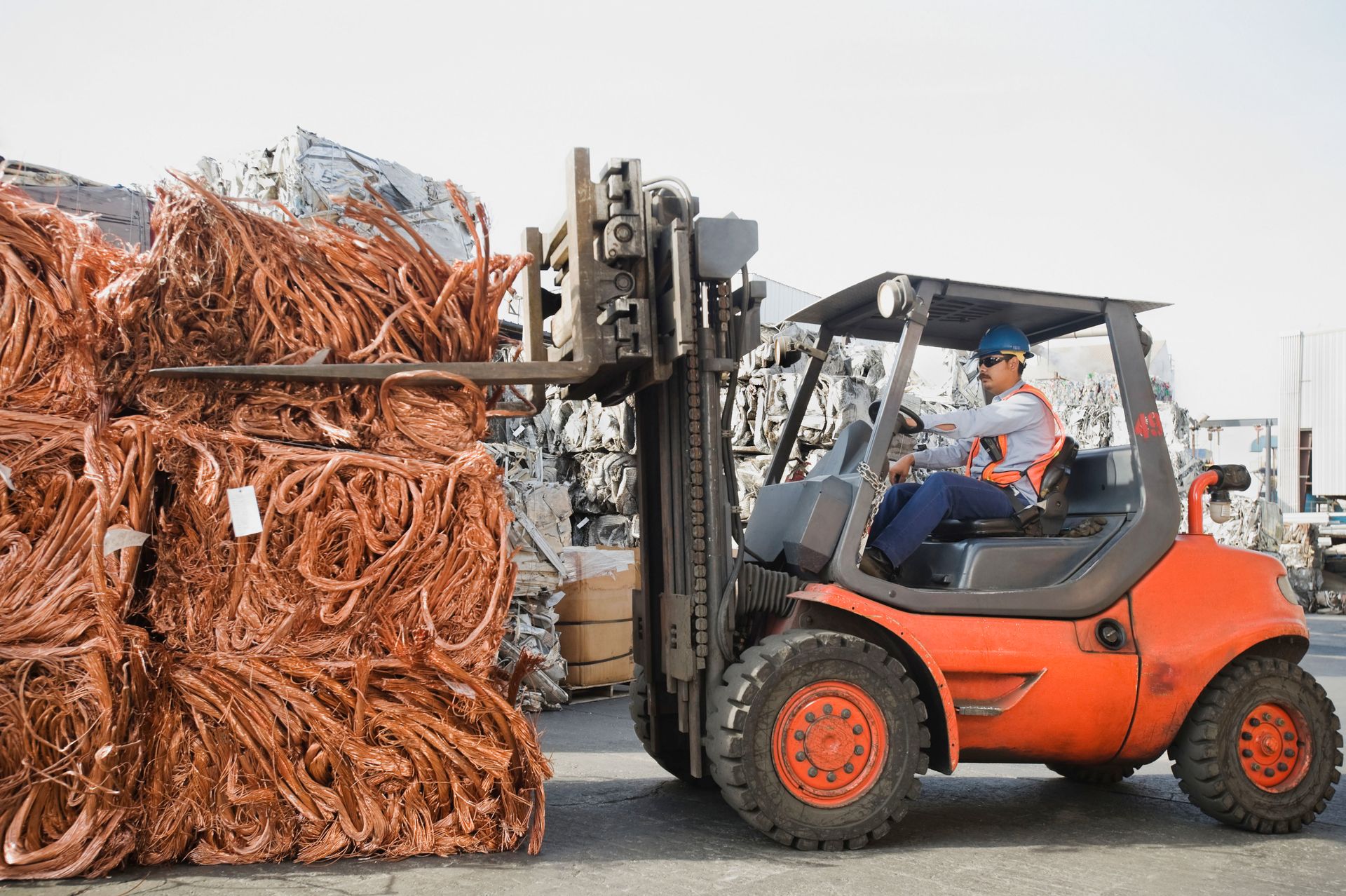
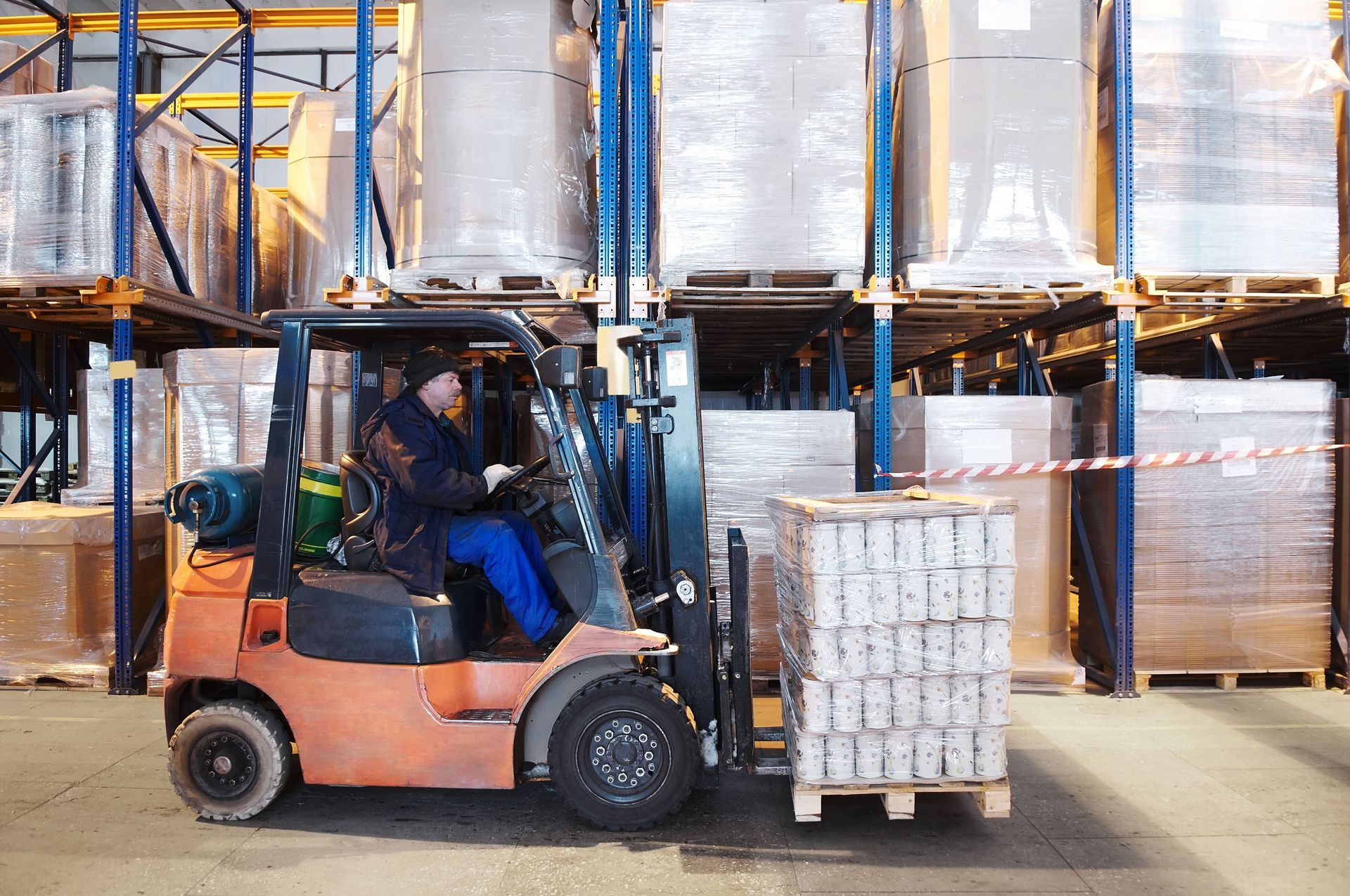
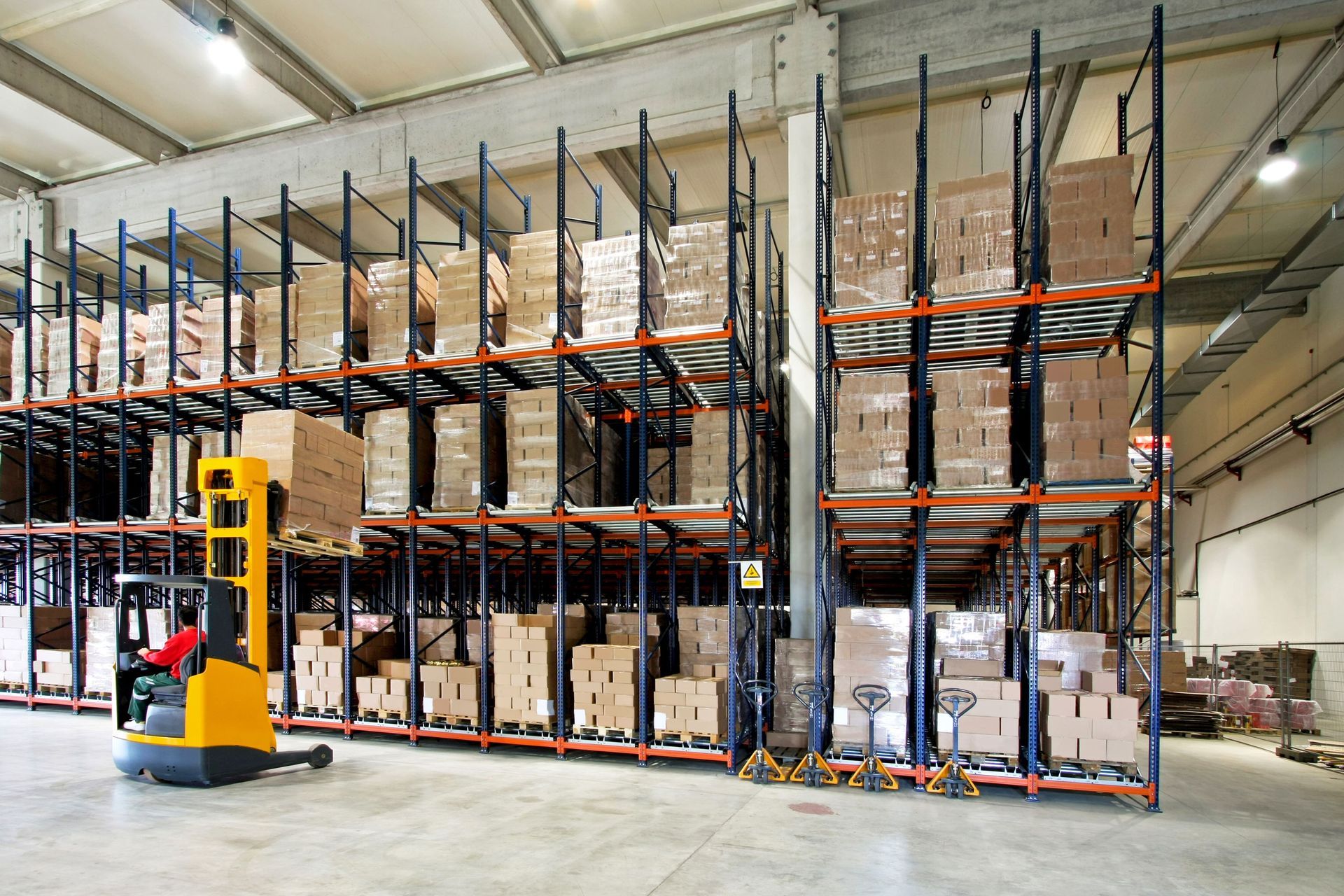
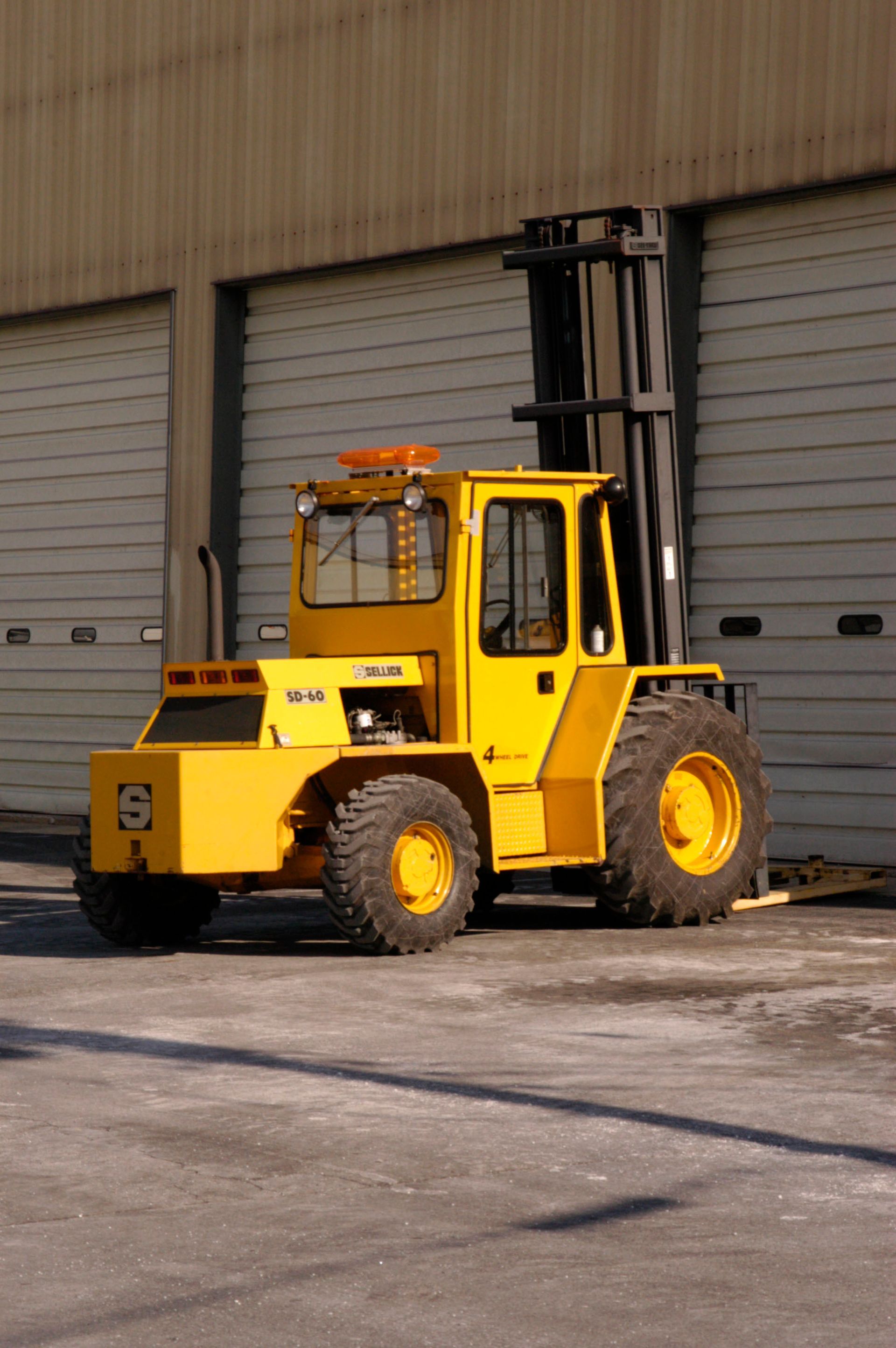
For example, indoor facilities often benefit from electric forklifts because they produce no emissions and can maneuver through tighter spaces. Outdoor job sites may require rough-terrain forklifts that are designed to handle uneven surfaces, dirt, gravel, and changing weather conditions. Businesses that fail to match the equipment to the environment may struggle with productivity issues throughout the rental period.
Weight capacity is another major factor companies often overlook. Renting a forklift that cannot safely lift the intended materials may result in damaged inventory, equipment strain, or workplace accidents. At the same time, choosing a machine with significantly more power than necessary can increase rental costs without providing additional value.
Lift height, attachments, aisle width, and storage space should also be reviewed before finalizing any agreement. Businesses may need specialized attachments for moving pallets, drums, or oversized materials safely. Taking time to assess these operational details helps ensure forklift rentals support productivity instead of creating unnecessary obstacles.
Missing Safety Preparation
Safety mistakes can quickly turn a productive workday into a serious liability issue. Many businesses focus heavily on scheduling and pricing while overlooking the training and preparation required to operate forklifts safely. This oversight can put workers at risk and expose companies to costly legal consequences.
According to OSHA, it is against federal law for anyone under the age of 18 to operate a forklift, and anyone over 18 must be properly trained and certified before using one. Businesses that ignore these requirements can face fines, lawsuits, and serious workplace accidents. Ensuring operators are properly qualified should always happen before equipment arrives on-site.
Even certified operators should receive training on the specific forklift model they are renting. Different forklifts may have unique controls, turning capabilities, braking systems, and load limitations. Assuming every machine operates the same way can create dangerous situations in fast-paced environments.
Businesses should also inspect their facilities before using rented equipment. Floors should be clear of debris, loading areas should be stable, and traffic routes should be clearly marked for both equipment operators and pedestrians. Companies using forklift rentals should create safe operating conditions to reduce accidents and maintain compliance.
Mismanaging Rental Terms
Another costly mistake businesses make is failing to thoroughly review rental agreements before signing. Some companies focus only on the base rental price and ignore additional fees that may be included in the contract. These overlooked expenses can quickly inflate the total cost of the rental.
Transportation fees, fuel costs, maintenance charges, and damage penalties may all be included depending on the agreement. If businesses do not ask questions up front, they may be surprised by charges they did not anticipate. Understanding every detail of the contract helps prevent unnecessary financial stress later.
Rental duration can also become an issue when companies fail to plan accurately. Underestimating how long equipment will be needed may result in expensive extension fees. Overestimating rental time can leave businesses paying for equipment that sits unused.
Maintenance responsibilities should also be clearly outlined in the agreement. Businesses need to know who handles repairs if equipment breaks down during the rental period. Reviewing these details carefully helps companies maximize the value of forklift rentals while avoiding unpleasant surprises.
Misusing Equipment During Operation
Even after selecting the right machine and signing a fair contract, improper use can still create major problems. Many businesses fail to establish clear operating procedures once the forklift arrives. This can result in accidents, damaged equipment, and expensive repairs.
Overloading is one of the most common operational mistakes. Exceeding a forklift’s lifting capacity can cause tipping accidents, dropped materials, and mechanical damage. Operators should always follow manufacturer guidelines to ensure loads remain stable and manageable.
Speeding through warehouses or job sites can also create dangerous conditions. Forklifts require careful handling, especially in crowded spaces with tight corners or heavy foot traffic. Slower, controlled movement helps protect workers and inventory.
Daily inspections are another important responsibility that businesses sometimes ignore. Operators should routinely check brakes, tires, forks, warning systems, and hydraulics for potential issues. Companies that use forklift rentals responsibly can reduce downtime and keep projects running efficiently.
Miscalculating Project Timelines
Another common mistake businesses make is failing to accurately estimate how long they will need rented equipment. Many companies rent a forklift based on rough assumptions rather than carefully mapping out project timelines, delivery schedules, and labor availability. When timelines are miscalculated, businesses often end up paying more than expected or dealing with unnecessary downtime.
Some businesses underestimate how long a project will take and are forced to extend their rental agreement at the last minute. These extensions may come with higher daily rates or limited equipment availability, especially during busy seasons when demand is high. Delays caused by labor shortages, shipping issues, or unexpected project complications can make these situations even more expensive.
On the other hand, overestimating rental time can also waste money. A forklift that sits unused for days or weeks still generates rental costs that cut into a company’s budget. Businesses should create realistic schedules that account for potential delays while avoiding excessive rental periods.
Planning allows companies to coordinate deliveries, staffing, and project deadlines more effectively. It also gives them time to communicate with rental providers if the project's needs change. Businesses that carefully manage timelines often get far more value from forklift rentals while avoiding unnecessary expenses.
Renting a forklift can be a cost-effective and flexible solution when businesses take the time to plan properly. Avoiding common mistakes like choosing the wrong equipment, neglecting safety training, overlooking contract details, and misusing machinery can save businesses significant time and money. Proper planning ensures forklift rentals improve efficiency instead of creating avoidable setbacks.
Beyond avoiding common mistakes, businesses should view equipment rentals as part of a larger operational strategy. Working with a trusted provider can help companies anticipate challenges, choose the right equipment, and stay productive throughout every phase of a project. With proper planning and support, a forklift can be a reliable tool for improving efficiency, controlling costs, and maintaining a safer workplace.
If your business needs dependable equipment support, Somerset Equipment Sales is ready to help. Their team can guide you through the rental process and ensure you choose equipment that fits your operational needs. Contact us today to secure reliable
forklift rentals and keep your business moving forward.